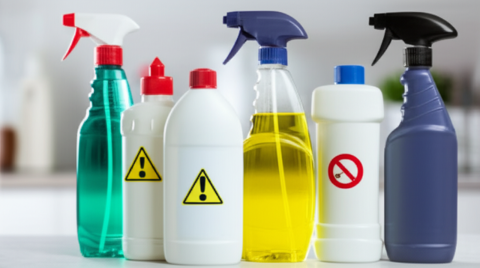
Toxic Products at Home: How to Make Your Family's Environment Safer
Our homes should be our sanctuaries, places of comfort and safety. But many everyday products we use contain chemicals that can negatively impact our health and the environment. From cleaning supplies to personal care items, we're surrounded by potentially toxic substances. This blog post will explore common household toxins and offer simple, effective ways to create a healthier, safer environment for your family.
Identifying Toxic Household Products
The first step to a safer home is identifying potential hazards. Look out for products containing these common culprits:
- Phthalates: Found in many plastics, perfumes, and personal care products. Linked to hormone disruption and reproductive problems.
- Parabens: Preservatives in cosmetics, lotions, and shampoos. Suspected endocrine disruptors.
- Formaldehyde: Used in some cleaning products, adhesives, and pressed wood products. A known carcinogen.
- Ammonia: A strong cleaning agent found in many household cleaners. Can irritate the eyes, skin, and lungs.
- Bleach: A powerful disinfectant but can be harmful if inhaled or ingested. Mixing bleach with other cleaning products can create toxic gases.
- VOCs (Volatile Organic Compounds): Found in paints, varnishes, air fresheners, and other household products. Can cause respiratory problems and headaches.
- Pesticides: Used to control pests but can be toxic to humans and pets if ingested or inhaled. Choose natural alternatives whenever possible.
- Bisphenol A (BPA): Found in some plastics and food can linings. Associated with hormone disruption.
Reading product labels carefully is crucial. Look for words like "fragrance" (often masking undisclosed chemicals), "artificial colors," and warnings about skin or eye irritation. The Environmental Working Group (EWG) website is a great resource for checking the safety of specific products.
Making Your Home Safer: Practical Steps
Creating a safer home doesn't require a complete overhaul. Start with small, manageable changes:
1. Cleaning Supplies: Embrace the Power of Natural Cleaning
Many commercial cleaning products contain harsh chemicals. Switch to natural alternatives like:
- Baking soda: A gentle abrasive for scrubbing and deodorizing.
- White vinegar: A powerful natural disinfectant and cleaner.
- Lemon juice: A natural bleaching and deodorizing agent.
- Castile soap: A plant-based soap suitable for cleaning various surfaces.
You can easily make your own cleaning solutions by combining these ingredients with water. For example, a simple all-purpose cleaner can be made by mixing equal parts water and white vinegar.
2. Personal Care Products: Choose Natural and Organic
Many personal care products contain harmful chemicals. Opt for products labeled "natural," "organic," or "free from parabens and phthalates." Look for brands that prioritize transparency in their ingredient lists.
3. Air Quality: Improve Ventilation and Reduce VOCs
Poor air quality can significantly impact health. Improve ventilation by opening windows regularly. Choose low-VOC paints, varnishes, and other household products. Avoid using strong air fresheners, opting instead for natural scents like essential oils or open windows.
4. Food Storage: Minimize Exposure to BPA and Other Toxins
Avoid using plastic containers that contain BPA. Choose glass or stainless steel containers for storing food. Wash reusable containers thoroughly before reuse.
5. Pest Control: Opt for Natural Methods
Instead of harmful chemical pesticides, try natural pest control methods such as:
- Diatomaceous earth: A natural insecticide that dehydrates insects.
- Essential oils: Some essential oils, like peppermint and tea tree, can repel certain insects.
- Natural traps: Use sticky traps or other non-toxic traps to catch insects.
Always follow the instructions carefully when using any pest control method, even natural ones.
6. Declutter Regularly: Less Stuff, Less Toxins
A cluttered home can accumulate dust and toxins. Regular decluttering helps reduce exposure to these substances. Donate or recycle unwanted items responsibly.
7. Proper Storage: Keep Harmful Substances Out of Reach
Store all cleaning supplies, pesticides, and other potentially harmful substances securely, out of reach of children and pets. Use childproof locks on cabinets and drawers containing these items.
8. Educate Yourself and Your Family: Knowledge is Power
Learn more about the chemicals in your home and the potential health risks they pose. Share this information with your family members, encouraging them to participate in creating a safer home environment.
Beyond the Home: Making Informed Choices
Creating a safer environment isn't just about what's inside your home. Consider these factors:
- Clothing and textiles: Choose clothes and bedding made from natural fibers like cotton and wool. Avoid synthetic fabrics that may contain harmful chemicals.
- Furniture: Look for furniture made from sustainable and non-toxic materials. Avoid furniture made with pressed wood that contains formaldehyde.
- Outdoor spaces: Use natural fertilizers and pesticides in your garden. Avoid using harsh chemicals that can pollute the environment and harm beneficial insects.
Conclusion
Creating a healthier and safer home for your family is a journey, not a destination. By making gradual changes and adopting conscious choices, you can significantly reduce your exposure to toxic products and create a more nurturing environment for everyone. Remember that small steps can make a big difference in protecting your family's health and well-being.
This information is for general knowledge and informational purposes only, and does not constitute medical advice. If you have concerns about specific chemicals or health issues, consult with a healthcare professional.


No comments:
Post a Comment