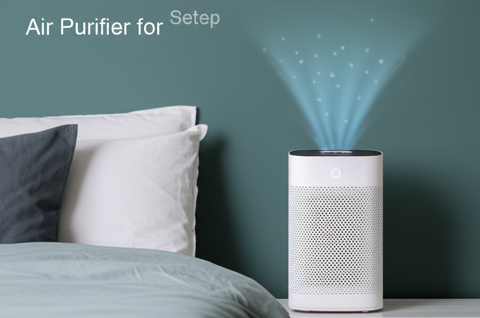
Air Purifier for Better Sleep
An air purifier can significantly improve your sleep quality by removing allergens, pollutants, and other irritants from your bedroom air. Breathing clean air throughout the night can lead to more restful sleep and fewer awakenings due to allergies or respiratory issues. This blog post delves into the benefits of using an air purifier for better sleep, explores different types of air purifiers suitable for bedrooms, and offers guidance on choosing the right model for your needs.
Benefits of Using an Air Purifier for Sleep:
- Reduced Allergens: Dust mites, pollen, pet dander, and mold spores are common allergens that can trigger allergic reactions, leading to coughing, sneezing, congestion, and restless sleep. An air purifier effectively filters these allergens from the air, creating a more allergy-friendly sleeping environment.
- Improved Respiratory Health: For individuals with asthma or other respiratory conditions, breathing cleaner air can significantly ease symptoms and improve sleep quality. Reduced exposure to irritants can help prevent nighttime coughing and wheezing, promoting more peaceful sleep.
- Better Air Quality: Air purifiers remove various pollutants from the air, including volatile organic compounds (VOCs), smoke, and odors. These pollutants can negatively impact sleep quality, leading to difficulty falling asleep and disrupted sleep cycles. A cleaner air environment contributes to more restorative sleep.
- Reduced Stress and Anxiety: A quiet and clean environment promotes relaxation and reduces stress. The improvement in air quality provided by an air purifier can indirectly contribute to a calmer atmosphere, making it easier to fall asleep and stay asleep.
- More Restful Sleep: By addressing allergens, pollutants, and irritants, an air purifier creates a conducive environment for deeper, more restful sleep. You'll wake up feeling more refreshed and energized.
Types of Air Purifiers for Bedrooms:
Several types of air purifiers are designed for bedrooms, each with its strengths and weaknesses. Consider the following factors when selecting a model:
- HEPA Filter: A High-Efficiency Particulate Air (HEPA) filter is essential for removing fine particles, including dust mites, pollen, and pet dander. Look for a purifier with a true HEPA filter, which is capable of filtering at least 99.97% of particles 0.3 microns in size.
- Activated Carbon Filter: An activated carbon filter helps absorb odors, gases, and VOCs, improving the overall air quality and eliminating unpleasant smells that can interfere with sleep.
- Size and Coverage: Choose an air purifier that is appropriately sized for your bedroom. Check the manufacturer's specifications for the room size the purifier can effectively clean. Larger rooms require a purifier with a higher Clean Air Delivery Rate (CADR).
- Noise Level: Air purifiers produce some noise, but it's crucial to select a model with a low noise level, especially for the bedroom. Look for models with multiple fan speed settings to adjust the noise level based on your preference.
- Energy Efficiency: Energy efficiency is an important consideration, especially since the purifier will be running for several hours each night. Check the Energy Star rating for energy-efficient models.
- Smart Features: Some modern air purifiers offer smart features such as app control, air quality monitoring, and automatic adjustments based on detected air quality. These features can enhance convenience and effectiveness.
Choosing the Right Air Purifier:
Selecting the right air purifier involves considering several factors, including:
- Room Size: Measure the square footage of your bedroom to determine the required air purifier capacity.
- Allergens and Pollutants: Identify the specific allergens and pollutants present in your bedroom to choose a purifier with appropriate filtration capabilities.
- Budget: Air purifiers are available at a wide range of prices, allowing you to choose a model that fits your budget.
- Noise Level: Prioritize low noise levels for a peaceful sleeping environment.
- Energy Efficiency: Opt for an energy-efficient model to minimize electricity consumption.
Maintenance and Care:
Regular maintenance is crucial for keeping your air purifier functioning optimally. This involves replacing or cleaning the filters according to the manufacturer's recommendations. Cleaning the exterior of the purifier regularly will also help maintain its efficiency.
Conclusion:
Investing in an air purifier can be a worthwhile step toward improving your sleep quality. By removing allergens, pollutants, and irritants, an air purifier creates a more conducive environment for restful sleep. Consider the factors discussed above, and choose a model that best fits your needs and budget to experience the benefits of cleaner air and better sleep.
Hashtags:#airpurifier #sleep #allergies #health #bedroom Labels: airpurifier,sleep,allergies,health,bedroom


No comments:
Post a Comment