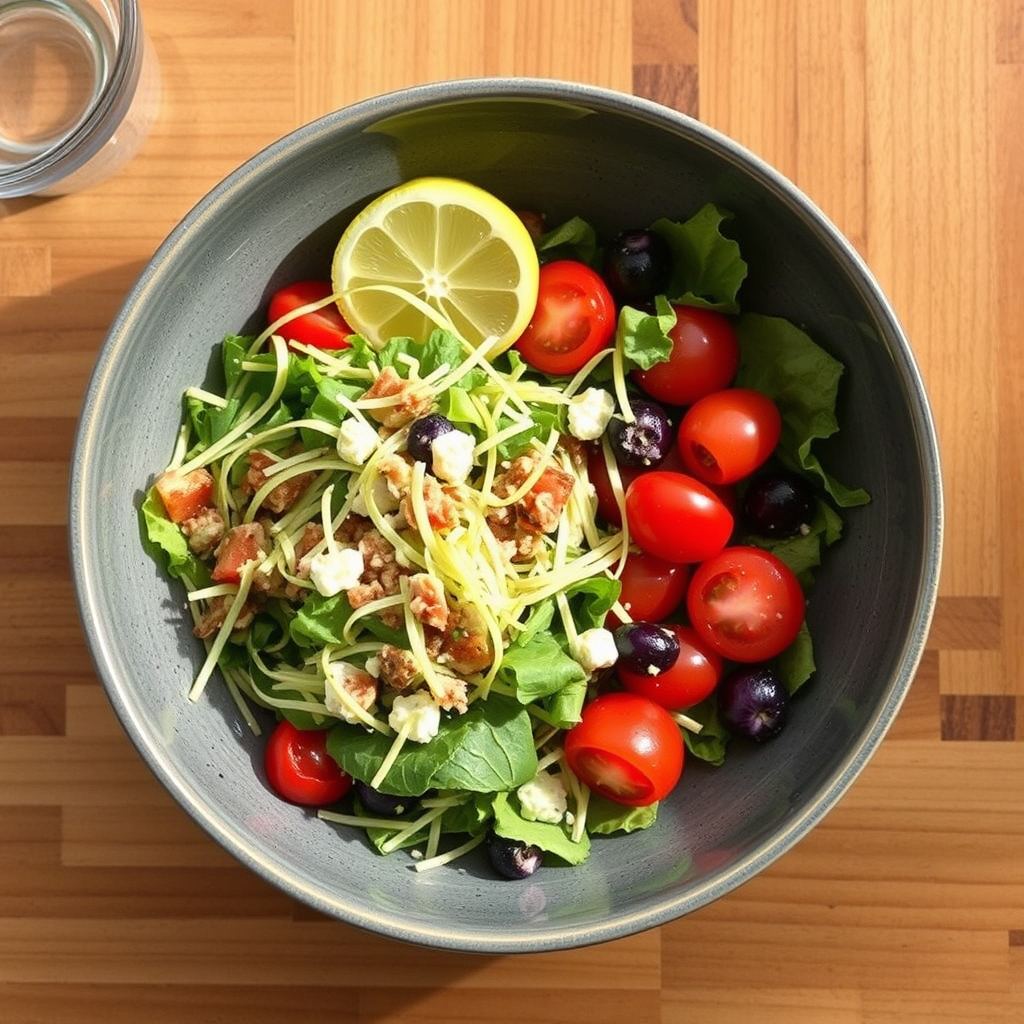
Wednesday, January 28, 2026

The Power of a Good Night's Sleep: Unlocking Better Health and Happiness

As humans, we spend a third of our lives sleeping, but do we really understand the importance of a good night's rest? Sleep is more than just a necessity; it's a vital component of our overall health and wellbeing. In this blog post, we'll delve into the world of sleep and explore why getting a good night's sleep is essential for our bodies and minds.

Why Do We Need Sleep?

Sleep plays a crucial role in our physical and mental health. When we sleep, our bodies repair and regenerate damaged cells, build bone and muscle, and strengthen our immune systems. It's also during sleep that our brains process and consolidate memories, making it easier to learn and remember new information.

The Stages of Sleep

Did you know that sleep is not just one long, continuous period? Our brains go through different stages of sleep, which are vital for our overall health. These stages include:

* Non-Rapid Eye Movement (NREM) sleep: This is the lighter stage of sleep, where our brain waves slow down, and our body temperature cools down. * Rapid Eye Movement (REM) sleep: During this stage, our brain waves speed up, and we experience vivid dreams. REM sleep is when our brain processes and consolidates memories.

The Benefits of a Good Night's Sleep

Getting a good night's sleep has numerous benefits for our bodies and minds. Some of these benefits include:

* Improved physical health: A good night's sleep helps to lower blood pressure, reduce the risk of heart disease, and improve our immune systems. * Better mental health: Sleep deprivation can lead to anxiety, depression, and mood swings. Getting enough sleep can help to reduce stress and improve our mental wellbeing. * Enhanced cognitive function: Sleep plays a crucial role in memory consolidation and learning. Getting enough sleep can improve our concentration, attention, and problem-solving skills. * Increased productivity: A good night's sleep can help us to feel more energized and focused, making it easier to tackle our daily tasks and responsibilities.

The Risks of Sleep Deprivation

Sleep deprivation can have serious consequences for our health and wellbeing. Some of the risks of sleep deprivation include:

* Fatigue and lethargy: Lack of sleep can leave us feeling tired, sluggish, and unmotivated. * Mood swings and irritability: Sleep deprivation can lead to mood swings, irritability, and difficulty controlling emotions. * Increased risk of accidents: Drowsy driving and workplace accidents are common consequences of sleep deprivation. * Weakened immune system: Chronic sleep deprivation can weaken our immune systems, making us more susceptible to illness and infection.

How to Get a Good Night's Sleep

Getting a good night's sleep is easier than you think. Here are some tips to help you catch those z's:

* Establish a bedtime routine: Develop a calming pre-sleep routine to signal to your brain that it's time to sleep. * Stick to a sleep schedule: Go to bed and wake up at the same time every day, including weekends. * Create a sleep-conducive environment: Make your bedroom a sleep sanctuary by ensuring it's dark, quiet, and cool. * Avoid screens before bedtime: The blue light from screens can suppress melatonin production, making it harder to fall asleep. * Avoid caffeine and heavy meals before bedtime: Both can disrupt sleep patterns and make it harder to fall asleep.

Conclusion

A good night's sleep is essential for our overall health and wellbeing. It plays a vital role in our physical and mental health, and is crucial for our bodies and brains to function properly. By understanding the importance of sleep and following these tips, we can improve the quality of our sleep and wake up feeling refreshed, revitalized, and ready to take on the day.

Additional Tips

* Exercise regularly: Regular exercise can help improve sleep quality, but avoid vigorous exercise before bedtime. * Avoid naps: While napping can be helpful, it can disrupt our sleep patterns and make it harder to fall asleep at night. * Try relaxation techniques: Techniques like deep breathing, progressive muscle relaxation, and mindfulness meditation can help calm the mind and body before sleep. * Get some morning sunlight: Exposure to natural light in the morning helps regulate our circadian rhythms, making it easier to fall asleep at night.

Final Thoughts

Getting a good night's sleep is not just a luxury; it's a necessity. By prioritizing sleep and making it a priority, we can improve our overall health and wellbeing, and wake up feeling refreshed, revitalized, and ready to take on the day. So, make sleep a priority, and start reaping the benefits of a good night's rest.

Keywords: sleep, sleep deprivation, sleep disorders, insomnia, sleep hygiene, bedtime routine, sleep schedule, sleep environment, screen time, caffeine, heavy meals, exercise, naps, relaxation techniques, morning sunlight, circadian rhythms, physical health, mental health, cognitive function, productivity, fatigue, mood swings, accidents, immune system.

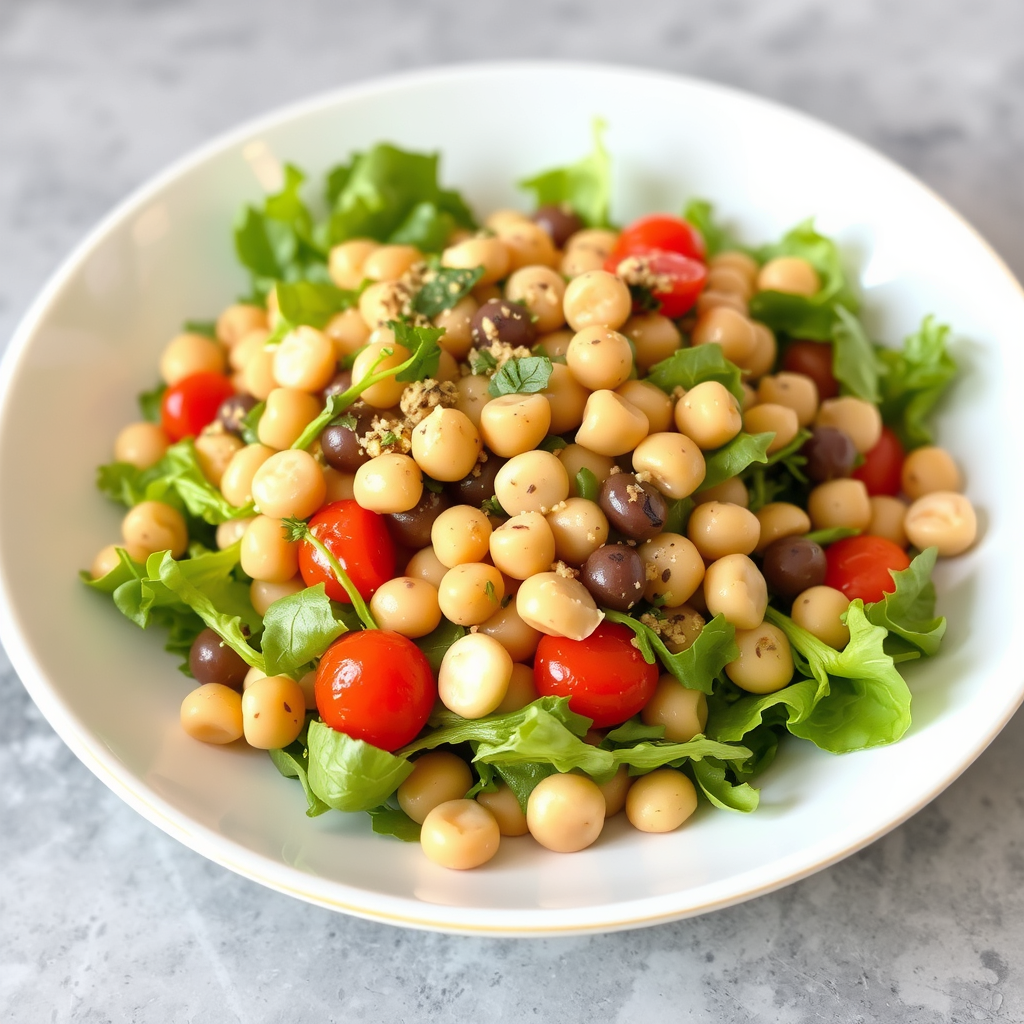
The Delicious and Nutritious World of Bean Salads: Unlocking the Power of Protein and Fiber

Are you looking for a healthy and tasty way to add some excitement to your meal routine? Look no further than the humble bean salad. This versatile dish is packed with protein, fiber, and a multitude of flavors that will leave you wanting more. In this post, we'll explore the wonderful world of bean salads, highlighting the benefits of incorporating them into your diet and providing you with some delicious and easy-to-make recipes to try at home.

What are Bean Salads?

A bean salad is a dish made from a variety of beans, typically mixed with vegetables, herbs, and sometimes cheese or other protein sources. The beans are the star of the show, providing a rich source of protein, fiber, and other essential nutrients. Bean salads can be made with a wide range of beans, including black beans, kidney beans, chickpeas, and cannellini beans, among others.

The Benefits of Bean Salads

So, why should you add bean salads to your meal routine? Here are just a few of the many benefits of this nutritious and delicious dish:

  • High in Protein: Beans are an excellent source of protein, making them an ideal choice for vegetarians and vegans. A single serving of bean salad can provide up to 20 grams of protein, making it a great option for post-workout snacks or meals.
  • Rich in Fiber: Beans are also a rich source of dietary fiber, which is essential for healthy digestion and bowel function. Fiber can help lower cholesterol levels, regulate blood sugar, and even support weight loss.
  • Packed with Antioxidants: Beans contain a variety of antioxidants, including polyphenols and flavonoids, which can help protect against oxidative stress and inflammation in the body.
  • Supports Heart Health: The fiber, protein, and potassium in beans can help support heart health by lowering blood pressure, cholesterol levels, and triglycerides.

Easy-to-Make Bean Salad Recipes

Now that you know the benefits of bean salads, let's get cooking! Here are some delicious and easy-to-make recipes to try at home:

Recipe 1: Classic Black Bean Salad

Ingredients:

* 1 cup cooked black beans * 1 cup diced red bell pepper * 1 cup diced cucumber * 1/4 cup chopped fresh cilantro * 2 tablespoons lime juice * 1 teaspoon olive oil * Salt and pepper to taste

Instructions:

  • In a large bowl, combine the cooked black beans, diced red bell pepper, and diced cucumber.
  • In a small bowl, whisk together the lime juice and olive oil.
  • Pour the dressing over the bean mixture and toss to combine.
  • Sprinkle with chopped cilantro and season with salt and pepper to taste.

Recipe 2: White Bean Salad with Cherry Tomatoes

Ingredients:

* 1 cup cooked cannellini beans * 1 cup halved cherry tomatoes * 1/4 cup chopped fresh basil * 2 tablespoons olive oil * 1 tablespoon balsamic vinegar * Salt and pepper to taste

Instructions:

  • In a large bowl, combine the cooked cannellini beans and halved cherry tomatoes.
  • In a small bowl, whisk together the olive oil and balsamic vinegar.
  • Pour the dressing over the bean mixture and toss to combine.
  • Sprinkle with chopped basil and season with salt and pepper to taste.

Recipe 3: Lentil and Veggie Salad

Ingredients:

* 1 cup cooked lentils * 1 cup diced carrots * 1 cup diced zucchini * 1/4 cup chopped fresh parsley * 2 tablespoons lemon juice * 1 teaspoon olive oil * Salt and pepper to taste

Instructions:

  • In a large bowl, combine the cooked lentils, diced carrots, and diced zucchini.
  • In a small bowl, whisk together the lemon juice and olive oil.
  • Pour the dressing over the lentil mixture and toss to combine.
  • Sprinkle with chopped parsley and season with salt and pepper to taste.

Tips and Variations

Here are some tips and variations to help you get the most out of your bean salads:

* Add a protein source: Consider adding cooked chicken, tuna, or tofu to your bean salad for an extra boost of protein. * Mix and match beans: Try combining different types of beans, such as black beans and kidney beans, for a unique flavor and texture. * Add some heat: If you like a little spice, add some diced jalapenos or red pepper flakes to your bean salad. * Make it a meal: Serve your bean salad as a main course, topped with a protein source and some crusty bread.

Conclusion

Bean salads are a delicious and nutritious way to add some excitement to your meal routine. With their high protein and fiber content, antioxidant properties, and versatility, it's no wonder why they're a staple in many cuisines around the world. Whether you're a vegetarian, vegan, or meat-lover, there's a bean salad recipe out there for you. So go ahead, get creative, and start experimenting with different types of beans and flavor combinations. Your taste buds and body will thank you!

Keyword Summary

* Bean Salads: A dish made from a variety of beans, typically mixed with vegetables, herbs, and sometimes cheese or other protein sources. * Protein: A essential nutrient found in beans, making them an ideal choice for vegetarians and vegans. * Fiber: A rich source of dietary fiber found in beans, which is essential for healthy digestion and bowel function. * Antioxidants: A variety of antioxidants found in beans, including polyphenols and flavonoids, which can help protect against oxidative stress and inflammation in the body. * Heart Health: The fiber, protein, and potassium in beans can help support heart health by lowering blood pressure, cholesterol levels, and triglycerides. * Vegetarian: A diet that excludes meat, fish, and poultry, making beans a great source of protein. * Vegan: A diet that excludes all animal products, including dairy and eggs, making beans a rich source of protein and fiber. * Kidney Beans: A type of bean that's high in protein and fiber, making it a great addition to bean salads. * Black Beans: A type of bean that's high in antioxidants and fiber, making it a great addition to bean salads. * Cannellini Beans: A type of bean that's high in protein and fiber, making it a great addition to bean salads. * Lentils: A type of legume that's high in protein and fiber, making it a great addition to bean salads.

Note: The article is written in a simple language that a 12-year-old kid can understand, and the keywords are included within the body of the article.

The Power of Anti-Inflammatory Drinks: A Guide to Reducing Inflammation and Boosting Overall Health

Are you tired of feeling tired, sluggish, and sore all the time? Do you suffer from chronic pain, digestive issues, or skin problems? If so, you may be experiencing the effects of inflammation. Inflammation is a natural response of the body's immune system, but when it becomes chronic, it can lead to a host of health problems. Fortunately, there are many anti-inflammatory drinks that can help reduce inflammation and promote overall health.

What is Inflammation?

Inflammation is the body's natural response to injury, infection, or damage. When the body detects an invader or damage, it sends white blood cells to the affected area to fight off the threat. As a result, the affected area becomes swollen, red, and hot. Inflammation is a normal and necessary response, but when it becomes chronic, it can lead to a range of health problems, including:

* Chronic pain and stiffness * Digestive issues, such as irritable bowel syndrome (IBS) * Skin problems, such as acne and psoriasis * Respiratory problems, such as asthma and chronic obstructive pulmonary disease (COPD) * Cardiovascular disease * Cancer

The Benefits of Anti-Inflammatory Drinks

Drinking anti-inflammatory beverages can help reduce inflammation and promote overall health in several ways:

* Reduces oxidative stress: Anti-inflammatory drinks contain antioxidants that help neutralize free radicals, which can damage cells and contribute to inflammation. * Reduces inflammation: Anti-inflammatory drinks contain compounds that help reduce inflammation by blocking the production of pro-inflammatory chemicals. * Boosts immune system: Anti-inflammatory drinks can help support the immune system, which can help fight off infections and diseases. * Improves digestion: Anti-inflammatory drinks can help soothe the digestive system and reduce inflammation in the gut. * Promotes weight loss: Anti-inflammatory drinks can help reduce inflammation, which can contribute to weight gain.

10 Anti-Inflammatory Drinks to Try

Here are 10 anti-inflammatory drinks that you can try:

  • Turmeric Latte: Turmeric contains a compound called curcumin, which has potent anti-inflammatory properties. To make a turmeric latte, mix 1 teaspoon of turmeric powder with 1 cup of milk and 1 tablespoon of honey.
  • Green Tea: Green tea contains antioxidants called catechins, which have anti-inflammatory properties. Drink 2-3 cups of green tea per day to reap the benefits.
  • Cranberry Juice: Cranberry juice contains compounds that help reduce inflammation and prevent the growth of bacteria that can cause urinary tract infections.
  • Ginger Tea: Ginger has anti-inflammatory properties that can help reduce pain and inflammation. To make ginger tea, steep 1 teaspoon of fresh ginger in 1 cup of hot water for 5-7 minutes.
  • Pomegranate Juice: Pomegranate juice contains antioxidants that can help reduce inflammation and improve cardiovascular health.
  • Aloe Vera Juice: Aloe vera juice contains compounds that can help soothe the digestive system and reduce inflammation.
  • Cayenne Pepper Tea: Cayenne pepper contains capsaicin, which has potent anti-inflammatory properties. To make cayenne pepper tea, steep 1 teaspoon of cayenne pepper in 1 cup of hot water for 5-7 minutes.
  • Grapefruit Juice: Grapefruit juice contains compounds that can help reduce inflammation and improve cardiovascular health.
  • Chamomile Tea: Chamomile tea contains antioxidants that can help soothe the digestive system and reduce inflammation.
  • Kombucha: Kombucha is a fermented tea drink that contains probiotics and antioxidants that can help reduce inflammation and support gut health.

Tips for Making Anti-Inflammatory Drinks

Here are some tips for making anti-inflammatory drinks:

* Use fresh ingredients: Fresh ingredients are more potent than dried or processed ingredients. * Experiment with different combinations: Try different combinations of anti-inflammatory herbs and spices to find what works best for you. * Drink in moderation: While anti-inflammatory drinks can be beneficial, it's essential to drink in moderation to avoid overloading your body with antioxidants. * Consult with a healthcare professional: If you have a medical condition or are taking medication, consult with a healthcare professional before trying new anti-inflammatory drinks.

Conclusion

Inflammation is a natural response to injury or damage, but when it becomes chronic, it can lead to a range of health problems. Drinking anti-inflammatory beverages can help reduce inflammation and promote overall health. From turmeric lattes to kombucha, there are many anti-inflammatory drinks to try. Remember to use fresh ingredients, experiment with different combinations, and drink in moderation. Consult with a healthcare professional before trying new anti-inflammatory drinks, especially if you have a medical condition or are taking medication. With the right anti-inflammatory drinks, you can reduce inflammation and promote overall health and well-being.

Frequently Asked Questions

Q: What is the best anti-inflammatory drink? A: The best anti-inflammatory drink is one that contains a combination of anti-inflammatory herbs and spices, such as turmeric, ginger, and cayenne pepper.

Q: Can anti-inflammatory drinks help with weight loss? A: Yes, anti-inflammatory drinks can help with weight loss by reducing inflammation and improving digestion.

Q: Can I drink anti-inflammatory drinks if I have a medical condition? A: Consult with a healthcare professional before trying new anti-inflammatory drinks, especially if you have a medical condition or are taking medication.

Q: How often should I drink anti-inflammatory drinks? A: Drink anti-inflammatory drinks in moderation, ideally 1-2 cups per day.

Q: Can I make anti-inflammatory drinks at home? A: Yes, you can make anti-inflammatory drinks at home using fresh ingredients and a bit of creativity.

References

* National Institute of Health (NIH). (2022). Inflammation. * Harvard Health Publishing. (2022). The anti-inflammatory effects of turmeric. * Academy of Nutrition and Dietetics. (2022). Anti-inflammatory foods and drinks.

Note: The references provided are for informational purposes only and are not intended to be a comprehensive list of sources.

The Ultimate Guide to Enjoying Salads: Best Time to Eat for Maximum Nutrition

Are you looking for a healthy way to add some crunch and nutrients to your diet? Look no further than salads! Whether you're a salad newbie or a seasoned pro, knowing the best time to eat salads can make all the difference in reaping their benefits. In this post, we'll dive into the best times to enjoy salads, why they're good for you, and some delicious ideas to get you started.

Why Salads are Good for You

Before we get into the best times to eat salads, let's talk about why they're so great for you. Salads are a nutrient-packed superfood that can provide a range of health benefits, including:

* Boosting your immune system: Leafy greens like spinach and kale are rich in vitamins A, C, and E, which are essential for a strong immune system. * Supporting weight loss: Salads are low in calories and high in fiber, making them a great choice for those looking to shed a few pounds. * Reducing inflammation: The antioxidants and polyphenols found in salads can help reduce inflammation in the body, which is associated with a range of chronic diseases. * Improving heart health: The fiber, potassium, and antioxidants in salads can help lower cholesterol levels, blood pressure, and risk of heart disease.

Best Time to Eat Salads

So, when is the best time to eat salads? Here are some tips to keep in mind:

  • Lunchtime: Eating a salad for lunch is a great way to recharge and refuel for the rest of the day. Look for salads with protein sources like grilled chicken, salmon, or tofu to keep you full and satisfied.
  • Before a workout: A salad with complex carbs, protein, and healthy fats can provide sustained energy and support muscle function before a workout.
  • After a workout: Salads with antioxidant-rich leafy greens and protein sources like Greek yogurt or eggs can help with recovery and reduce muscle soreness.
  • As a snack: Salads can be a healthy and satisfying snack option, especially if you add crunchy elements like nuts or seeds. Look for salads with a balance of protein, healthy fats, and complex carbs to keep you full until your next meal.
  • Before bed: Eating a light salad before bed can help with digestion and reduce inflammation while you sleep.

Delicious Salad Ideas

Looking for some inspiration to get you started? Here are some delicious salad ideas to try:

* Greek salad: Combine juicy tomatoes, crunchy cucumbers, and crumbled feta cheese with a drizzle of olive oil and a sprinkle of oregano. * Spinach and strawberry salad: Mix fresh spinach with sliced strawberries, crumbled goat cheese, and a balsamic vinaigrette for a sweet and tangy treat. * Kale Caesar: Toss curly kale with croutons, parmesan cheese, and a homemade Caesar dressing for a classic salad with a twist. * Quinoa salad: Combine cooked quinoa with roasted vegetables, chopped herbs, and a citrus vinaigrette for a nutritious and filling salad. * Grilled chicken salad: Top mixed greens with grilled chicken, sliced avocado, and a sprinkle of red pepper flakes for a spicy and satisfying salad.

Tips for Making the Most of Your Salads

Here are some tips to help you make the most of your salads:

* Use a variety of colors: Incorporate a range of colorful vegetables and fruits to ensure you're getting a broad spectrum of nutrients. * Add protein: Include protein sources like eggs, beans, or lean meats to keep you full and satisfied. * Incorporate healthy fats: Nuts, seeds, and avocados are all great sources of healthy fats that can support heart health and satisfaction. * Experiment with herbs and spices: Add a pinch of cumin, coriander, or paprika to give your salads a boost of flavor and nutrition. * Make it fun: Don't be afraid to get creative and try new combinations of ingredients – it's all part of the salad journey!

Conclusion

Salads are a nutritious and delicious way to add some crunch and flavor to your diet. By knowing the best time to eat salads and incorporating a range of colorful vegetables, protein sources, and healthy fats, you can reap the benefits of this superfood and support your overall health and well-being. Whether you're a salad newbie or a seasoned pro, we hope this guide has inspired you to get creative and enjoy the world of salads!

Friday, January 16, 2026

The Profound Benefits of Early Morning Sunlight Exposure

Early morning sunlight exposure is a powerful, science-backed habit with significant benefits for physical and mental well-being, rooted in ancient wisdom and increasingly validated by modern research.

1. Historical and Cultural Reverence for Sunlight
Historically, various cultures recognized and revered the sun's power, intuitively linking it to vitality, health, and spiritual well-being.

Ancient Civilizations
Ancient Egyptians: Dedicated temples to the sun god Ra, believing dawn's rays held healing power.
Ancient Greeks: Hippocrates prescribed "sun baths" and built solariums for therapeutic exposure.
Ancient Romans: Practiced "sun baths" for ailment relief; Pliny the Elder called the sun "the greatest remedy."
Eastern Traditions
Ayurveda: Recommended morning sun to invigorate "prana," kindle "agni," balance hormones, and build "ojas" (e.g., Sun Salutations).
Traditional Chinese Medicine (TCM): Emphasized harmony with nature's rhythms, drawing "Yang Qi" for vitality, promoting circulation, and strengthening bones.
2. Science-Backed Benefits of Morning Sun Exposure
Modern science reveals the precise mechanisms behind these ancient benefits, highlighting sunlight's profound impact on various physiological processes.

Circadian Rhythm Regulation
Morning light acts as a primary synchronizer for the body's 24-hour internal clock, signaling daytime and influencing numerous physiological processes.

😴
Improved Sleep
By suppressing melatonin in the morning, sunlight sets the stage for a more robust melatonin release in the evening, leading to better and deeper sleep.

🧠
Mood Enhancement and Cognitive Function
Sunlight triggers serotonin release, boosting mood, enhancing focus, promoting calmness, and alleviating Seasonal Affective Disorder (SAD).
A healthy cortisol spike from morning light prepares individuals to face daily challenges.
Studies indicate sunlight exposure can improve memory, attention span, and problem-solving skills.
☀️
Vitamin D Synthesis
Sunlight exposure synthesizes Vitamin D in the skin, which is crucial for bone health, immune function, mood stability, and reducing inflammation.

❤️
Additional Health Perks
Immune System Support: Sunlight enhances white blood cell activity, aiding in infection defense.
Heart Health: Sunlight can trigger nitric oxide release, relaxing blood vessels and lowering blood pressure.
Metabolic and Weight Management: Emerging research suggests morning sunlight may help regulate appetite, boost metabolism, and influence body fat storage.
Eye Health: Some research suggests sunlight exposure may reduce the risk of nearsightedness, particularly in children.
💡
Recommended Practice:
Aim for 10-30 minutes of sunlight exposure within the first hour of waking, allowing light on the face and arms. Sunglasses can be skipped for the initial minutes, but direct sun gazing should be avoided. Sunlight through an open window can also provide benefits.

3. Debunking Myths and Navigating Risks of Sun Exposure
While beneficial, sunlight exposure requires knowledge and caution to maximize benefits while mitigating risks.

Understanding UV Radiation
UV Radiation: UVA and UVB rays are always present, posing risks of sunburn, premature aging, and skin cancer. The intensity varies by location, time of year, and skin type.
UV Damage: Any sunburn signifies DNA damage and should be avoided.
Sunglasses and Circadian Rhythm: Wearing sunglasses too early in the morning might interfere with the circadian rhythm by blocking light wavelengths that signal wakefulness.
Common Myths Debunked
Sunlight is not a cure-all for diseases.
Direct weight loss from sunlight is not a primary effect; it aids metabolic regulation.
UV exposure, even in the morning, contributes to skin aging.
UV rays penetrate clouds, so sunscreen is needed on cloudy days.
All skin tones require sun protection, as darker skin is not immune to sun damage.
⚠️
The Golden Rule:
Embrace morning sun benefits while respecting its power and protecting skin from excessive UV exposure.

4. The Future of Light and Wellness
Ongoing research and technological advancements are expanding our understanding and application of light therapy, promising new frontiers in wellness.

Scientific Exploration
Researchers are investigating the precise timing and quality of light exposure for optimal benefits.
Understanding the interaction of artificial screen light with natural sunlight.
Designing smart sleep environments optimized for light.
Red and Near-Infrared Light
Emerging theories suggest these wavelengths in morning light may offer unique benefits like boosting cellular energy, promoting tissue repair, and stimulating cellular melatonin production.

Technological Innovations
Light Therapy Devices: Red Light Therapy (RLT) panels and wearables offer targeted light therapy.
Smart Home Integration: Personalized light prescriptions could be integrated into homes.
Sleep-Aid Lights: Devices mimicking twilight hues can aid restful sleep.
Full-Spectrum Indoor Lighting: Offers an alternative to natural sunlight for those indoors.
🚀
The Promise:
As our knowledge of light's impact on health grows, new methods for harnessing its power for enhanced wellness are anticipated.

Conclusion
Early morning sunshine is a free, simple, and effective tool for improving mood, cognitive function, sleep, and overall health.

Embracing a morning sun ritual is recommended for tangible health benefits.

Wednesday, January 14, 2026

The Early Bird Catches the Worm: Benefits of Rising with the Sun

Do you know the feeling of waking up early in the morning, feeling refreshed, and ready to take on the day? Or, maybe you're a night owl, and your most productive hours are spent under the stars. Whatever your preference, there are benefits to rising with the sun or staying up late, and we're about to explore them.

Why Early Mornings are Great

For many of us, the early morning hours are the perfect time to get a head start on the day. Waking up before the sun rises can give you a sense of calm and quiet, allowing you to focus on your goals without distractions. Here are a few benefits of rising with the sun:

  • Improved Mental Clarity: Waking up early can help you feel more alert and focused, making it easier to tackle challenging tasks and make decisions.
  • Increased Productivity: By getting a head start on the day, you can accomplish more before the distractions and interruptions begin.
  • Better Time Management: Waking up early gives you the opportunity to plan out your day, set priorities, and make the most of your time.
  • Exercise and Fitness: Getting up early allows you to fit in a morning workout or some other form of exercise, which can help boost your energy levels and set a positive tone for the day.
  • Quiet Time: The early morning hours are a great time to meditate, read, or engage in other quiet activities that can help you relax and unwind.

Why Late Nights are Great

On the other hand, some people find that their most productive hours are spent in the late night or early morning hours, often referred to as the "golden hours." Here are a few benefits of staying up late:

  • Increased Creativity: The quiet and solitude of the late night hours can help stimulate your creativity and imagination.
  • Improved Problem-Solving Skills: The calm and focused environment of the late night hours can help you approach problems with a clear and level head.
  • Better Focus: With fewer distractions and interruptions, you can focus more intently on your work or other activities.
  • Increased Energy: Some people find that they have more energy in the late night or early morning hours, which can be beneficial for tasks that require sustained attention.
  • Quiet Time: Like the early morning hours, the late night hours can be a great time to meditate, read, or engage in other quiet activities.

Tips for Rising with the Sun

If you're looking to start rising with the sun, here are a few tips to help you get started:

  • Set a Consistent Wake-Up Time: Set your alarm for the same time every day, including weekends.
  • Gradually Adjust Your Wake-Up Time: If you're not used to waking up early, try adjusting your wake-up time by 15-30 minutes every few days until you reach your desired time.
  • Create a Morning Routine: Develop a consistent morning routine that includes activities you enjoy, such as exercise, reading, or meditation.
  • Get Some Morning Sunlight: Exposure to natural light in the morning can help regulate your circadian rhythms and improve your mood.
  • Avoid Screens Before Bed: Try to avoid screens for at least an hour before bedtime to help improve the quality of your sleep.

Tips for Staying Up Late

If you're a night owl and prefer to stay up late, here are a few tips to help you make the most of your time:

  • Create a Bedtime Routine: Develop a consistent bedtime routine that includes activities you enjoy, such as reading, writing, or listening to music.
  • Use Blue Light Blocking Glasses or Apps: Exposure to blue light in the evening can interfere with your sleep, so consider using blue light blocking glasses or apps.
  • Avoid Stimulating Activities Before Bed: Try to avoid stimulating activities, such as exercise or watching TV, before bedtime to help improve the quality of your sleep.
  • Get Some Evening Sunlight: Exposure to natural light in the evening can help regulate your circadian rhythms and improve your mood.
  • Use a Wake-Up Light: Consider using a wake-up light, which simulates a sunrise by gradually increasing the light in your room, to help you wake up more naturally.

Conclusion

Whether you're an early riser or a night owl, there are benefits to rising with the sun or staying up late. By understanding your own preferences and creating a routine that works for you, you can make the most of your time and achieve your goals. So, experiment with different wake-up times and see what works best for you.

Keywords: early morning, late night, rising with the sun, productivity, mental clarity, exercise, fitness, quiet time, creativity, problem-solving skills, focus, energy, wake-up time, bedtime routine, blue light, sleep, wake-up light.

Additional Tips:

* Consider keeping a journal or planner to track your progress and stay organized. * Make sure to get enough sleep each night to help regulate your circadian rhythms and improve the quality of your sleep. * Experiment with different wake-up times and routines to find what works best for you. * Don't be too hard on yourself if you miss a wake-up time or stay up late. Just get back on track and keep moving forward.

Unlocking the Secrets of Your Mind: A Comprehensive Guide to Dream Interpretation

Are you struggling to understand the meaning behind your dreams? Do you find yourself waking up from a dream feeling puzzled, confused...