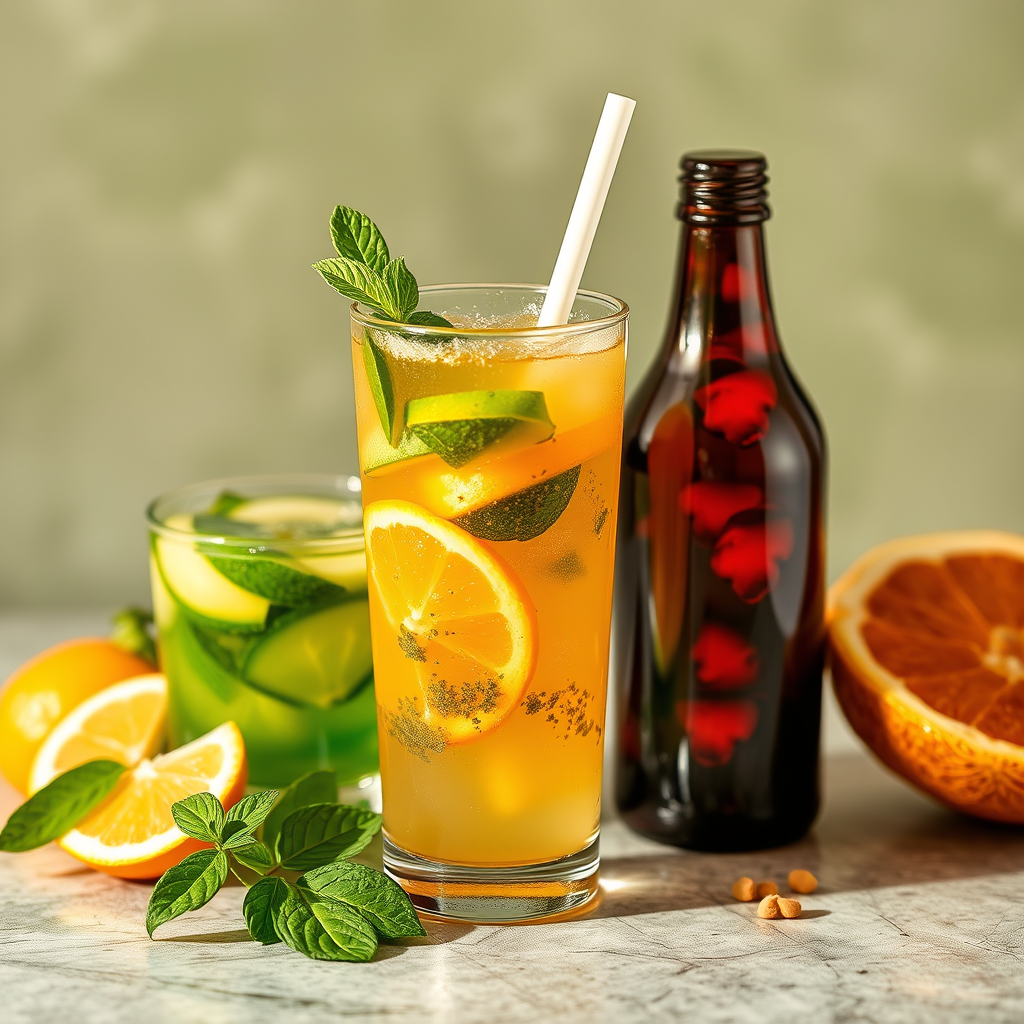
Are you tired of feeling tired, sluggish, and sore all the time? Do you suffer from chronic pain, digestive issues, or skin problems? If so, you may be experiencing the effects of inflammation. Inflammation is a natural response of the body's immune system, but when it becomes chronic, it can lead to a host of health problems. Fortunately, there are many anti-inflammatory drinks that can help reduce inflammation and promote overall health.
What is Inflammation?
Inflammation is the body's natural response to injury, infection, or damage. When the body detects an invader or damage, it sends white blood cells to the affected area to fight off the threat. As a result, the affected area becomes swollen, red, and hot. Inflammation is a normal and necessary response, but when it becomes chronic, it can lead to a range of health problems, including:
* Chronic pain and stiffness * Digestive issues, such as irritable bowel syndrome (IBS) * Skin problems, such as acne and psoriasis * Respiratory problems, such as asthma and chronic obstructive pulmonary disease (COPD) * Cardiovascular disease * Cancer
The Benefits of Anti-Inflammatory Drinks
Drinking anti-inflammatory beverages can help reduce inflammation and promote overall health in several ways:
* Reduces oxidative stress: Anti-inflammatory drinks contain antioxidants that help neutralize free radicals, which can damage cells and contribute to inflammation. * Reduces inflammation: Anti-inflammatory drinks contain compounds that help reduce inflammation by blocking the production of pro-inflammatory chemicals. * Boosts immune system: Anti-inflammatory drinks can help support the immune system, which can help fight off infections and diseases. * Improves digestion: Anti-inflammatory drinks can help soothe the digestive system and reduce inflammation in the gut. * Promotes weight loss: Anti-inflammatory drinks can help reduce inflammation, which can contribute to weight gain.
10 Anti-Inflammatory Drinks to Try
Here are 10 anti-inflammatory drinks that you can try:
- Turmeric Latte: Turmeric contains a compound called curcumin, which has potent anti-inflammatory properties. To make a turmeric latte, mix 1 teaspoon of turmeric powder with 1 cup of milk and 1 tablespoon of honey.
- Green Tea: Green tea contains antioxidants called catechins, which have anti-inflammatory properties. Drink 2-3 cups of green tea per day to reap the benefits.
- Cranberry Juice: Cranberry juice contains compounds that help reduce inflammation and prevent the growth of bacteria that can cause urinary tract infections.
- Ginger Tea: Ginger has anti-inflammatory properties that can help reduce pain and inflammation. To make ginger tea, steep 1 teaspoon of fresh ginger in 1 cup of hot water for 5-7 minutes.
- Pomegranate Juice: Pomegranate juice contains antioxidants that can help reduce inflammation and improve cardiovascular health.
- Aloe Vera Juice: Aloe vera juice contains compounds that can help soothe the digestive system and reduce inflammation.
- Cayenne Pepper Tea: Cayenne pepper contains capsaicin, which has potent anti-inflammatory properties. To make cayenne pepper tea, steep 1 teaspoon of cayenne pepper in 1 cup of hot water for 5-7 minutes.
- Grapefruit Juice: Grapefruit juice contains compounds that can help reduce inflammation and improve cardiovascular health.
- Chamomile Tea: Chamomile tea contains antioxidants that can help soothe the digestive system and reduce inflammation.
- Kombucha: Kombucha is a fermented tea drink that contains probiotics and antioxidants that can help reduce inflammation and support gut health.
Tips for Making Anti-Inflammatory Drinks
Here are some tips for making anti-inflammatory drinks:
* Use fresh ingredients: Fresh ingredients are more potent than dried or processed ingredients. * Experiment with different combinations: Try different combinations of anti-inflammatory herbs and spices to find what works best for you. * Drink in moderation: While anti-inflammatory drinks can be beneficial, it's essential to drink in moderation to avoid overloading your body with antioxidants. * Consult with a healthcare professional: If you have a medical condition or are taking medication, consult with a healthcare professional before trying new anti-inflammatory drinks.
Conclusion
Inflammation is a natural response to injury or damage, but when it becomes chronic, it can lead to a range of health problems. Drinking anti-inflammatory beverages can help reduce inflammation and promote overall health. From turmeric lattes to kombucha, there are many anti-inflammatory drinks to try. Remember to use fresh ingredients, experiment with different combinations, and drink in moderation. Consult with a healthcare professional before trying new anti-inflammatory drinks, especially if you have a medical condition or are taking medication. With the right anti-inflammatory drinks, you can reduce inflammation and promote overall health and well-being.
Frequently Asked Questions
Q: What is the best anti-inflammatory drink? A: The best anti-inflammatory drink is one that contains a combination of anti-inflammatory herbs and spices, such as turmeric, ginger, and cayenne pepper.
Q: Can anti-inflammatory drinks help with weight loss? A: Yes, anti-inflammatory drinks can help with weight loss by reducing inflammation and improving digestion.
Q: Can I drink anti-inflammatory drinks if I have a medical condition? A: Consult with a healthcare professional before trying new anti-inflammatory drinks, especially if you have a medical condition or are taking medication.
Q: How often should I drink anti-inflammatory drinks? A: Drink anti-inflammatory drinks in moderation, ideally 1-2 cups per day.
Q: Can I make anti-inflammatory drinks at home? A: Yes, you can make anti-inflammatory drinks at home using fresh ingredients and a bit of creativity.
References
* National Institute of Health (NIH). (2022). Inflammation. * Harvard Health Publishing. (2022). The anti-inflammatory effects of turmeric. * Academy of Nutrition and Dietetics. (2022). Anti-inflammatory foods and drinks.
Note: The references provided are for informational purposes only and are not intended to be a comprehensive list of sources.


No comments:
Post a Comment