Creating a Family First-Aid Kit: What to Include and Why
Having a well-stocked first-aid kit at home is crucial for every family. It's your first line of defense against minor injuries and illnesses, allowing you to provide immediate care until professional medical help arrives. This guide will walk you through creating a comprehensive family first-aid kit, explaining what to include and why each item is important.
Section 1: Essential Supplies
- Antiseptic wipes or solution: To clean minor wounds and prevent infection.
- Bandages (assorted sizes): For covering cuts and scrapes.
- Adhesive bandages (various sizes): For minor cuts and abrasions.
- Gauze pads: For larger wounds and bleeding.
- Sterile gauze rolls: For wrapping wounds and providing pressure.
- Medical tape: To secure bandages and dressings.
- Tweezers: For removing splinters and foreign objects.
- Scissors: For cutting bandages and other materials.
- Thermometer: To check for fever.
- Pain relievers (acetaminophen or ibuprofen): For pain and fever reduction (always follow age-appropriate dosage instructions).
- Antihistamine: For allergic reactions (oral and topical options are beneficial).
- Hydrocortisone cream: For minor skin irritations and itching.
- Burn ointment: For treating minor burns.
- Eye wash solution: For flushing out irritants from the eyes.
Section 2: Additional Items for Specific Needs
- First-aid manual: A quick reference guide for common injuries and illnesses.
- Emergency contact information: Include emergency numbers, doctor's details, and the address.
- Prescription medications: Store necessary prescription medications with clear labeling and instructions.
- Personal protective equipment (PPE): Consider including disposable gloves and a face mask.
- Splints or slings: For supporting injuries to arms or legs.
- Instant cold compress: For reducing swelling and pain.
- Tweezers: For removing splinters.
- Safety pins: For securing bandages or other items.
Section 3: Storage and Organization
Store your first-aid kit in a clean, dry, and easily accessible location. Choose a sturdy, waterproof container that's easily transportable in case of an emergency. Consider organizing your kit using small containers or compartments to keep items separated and easily identifiable. Label each container clearly to avoid confusion in an emergency situation. Check expiration dates regularly and replace any outdated items.
Section 4: When to Seek Professional Medical Attention
While a first-aid kit can handle minor injuries, it's crucial to know when to seek immediate professional medical help. Call emergency services (911 in the US) or your doctor if you encounter situations such as: severe bleeding, deep wounds, broken bones, signs of infection, head injuries, difficulty breathing, unconsciousness, or severe allergic reactions. Your first-aid kit should only be used for minor incidents; serious injuries require the care of a medical professional.
Section 5: Teaching Children Basic First Aid
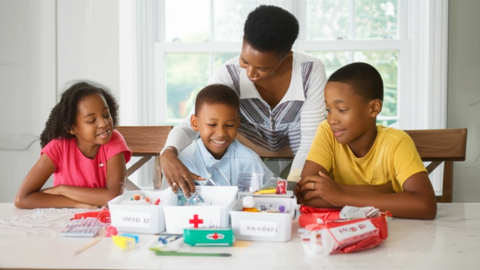
Teaching children age-appropriate first-aid skills is beneficial. Start with basic knowledge like cleaning minor cuts, applying bandages, and identifying when they need adult help. Involving children in creating and maintaining the first-aid kit can enhance their understanding and responsibility.
Conclusion
Creating a well-equipped family first-aid kit is a simple yet significant step in ensuring your family's safety. This comprehensive guide provides a framework, but remember to personalize your kit to suit your family's specific needs and circumstances. Regular checks and updates will ensure your kit remains effective and reliable.
Hashtags:#firstaid #familysafety #health #emergencypreparedness #homesafety #firstaidkit #injuryprevention #safetytips #children'ssafety #medicalsupplies Labels: first aid,family safety,health,emergency preparedness,home safety,first aid kit,injury prevention,safety tips,children's safety,medical supplies Labels:first aid,family safety,health,emergency preparedness,home safety,first aid kit,injury prevention,safety tips,children's safety,medical supplies


No comments:
Post a Comment