Benefits of Green Tea: A Deep Dive into this Ancient Elixir
Namaste! For centuries, green tea has been more than just a beverage in many cultures, especially in India and across Asia. It's a tradition, a ritual, and a powerhouse of health benefits. From boosting your immunity to aiding in weight management, green tea offers a wide array of advantages. Let's delve into the world of this amazing leaf and explore its incredible impact on your well-being.
The Power of Polyphenols: Understanding Green Tea's Active Compounds
The magic behind green tea's health benefits lies in its rich concentration of polyphenols, particularly catechins. These powerful antioxidants combat free radicals, those unstable molecules that damage cells and contribute to aging and disease. Among the catechins, epigallocatechin gallate (EGCG) is the star player, known for its potent antioxidant and anti-inflammatory properties. This is a key reason why green tea is often associated with reduced risk of chronic diseases.
Antioxidant Properties and Disease Prevention:
Regular consumption of green tea has been linked to a lower risk of several chronic diseases, including:
- Heart disease: Green tea may help improve cholesterol levels, reduce blood pressure, and prevent blood clot formation, all crucial factors in maintaining heart health. Studies suggest it can even help improve the overall cardiovascular health profile, especially in individuals prone to high cholesterol and triglycerides.
- Cancer: The antioxidant and anti-inflammatory properties of EGCG are believed to play a role in protecting against certain types of cancer. Research continues to explore the specific mechanisms, but the protective effects on cellular health are promising, particularly concerning breast cancer, prostate cancer and colon cancer risk reduction. It's important to remember this is just one piece of a healthy lifestyle puzzle.
- Type 2 diabetes: Green tea may improve insulin sensitivity and help regulate blood sugar levels, beneficial for managing type 2 diabetes. This improvement in glucose metabolism can contribute to better overall blood sugar control.
- Neurodegenerative diseases: Some studies suggest that green tea may have a protective effect against neurodegenerative diseases like Alzheimer's and Parkinson's disease. The antioxidants help combat oxidative stress in the brain, a factor implicated in these conditions. Further research is needed to fully understand this relationship.
Beyond Antioxidants: Other Health Benefits of Green Tea
The health benefits of green tea extend beyond its antioxidant power. It offers a range of other advantages:
Weight Management and Metabolism Boost:
Green tea is often touted for its potential to aid in weight management. It may boost metabolism, increase fat burning, and reduce the absorption of dietary fat. However, it's crucial to remember that green tea alone won't magically melt away pounds; it's most effective as part of a holistic approach to weight loss that includes a balanced diet and regular exercise. The benefits are more prominent when combined with a mindful lifestyle change.
Improved Brain Function and Cognitive Enhancement:
The caffeine and L-theanine in green tea work synergistically to enhance cognitive function. Caffeine provides a boost in alertness and focus, while L-theanine promotes relaxation and reduces anxiety without causing drowsiness. This combination leads to improved mood, concentration, and memory – perfect for those long study sessions or demanding work days. Understanding the optimal time for green tea consumption to maximize these benefits is a key factor in harnessing its potential.
Oral Health and Protection Against Cavities:
Green tea's antibacterial properties can help fight against harmful bacteria in the mouth, potentially reducing the risk of cavities and gum disease. The polyphenols help inhibit the growth of Streptococcus mutans, a bacterium associated with dental caries. Rinsing your mouth with green tea after meals can be a simple way to improve oral hygiene, alongside regular brushing and flossing.
Improved Skin Health and Anti-aging Effects:
The antioxidants in green tea help protect the skin from sun damage and reduce inflammation, potentially slowing down the aging process. It may also help improve skin elasticity and reduce the appearance of wrinkles. Both topical application and internal consumption can contribute to healthier, younger-looking skin. The anti-inflammatory effects are beneficial for skin conditions like eczema and psoriasis too.
Different Types of Green Tea: Exploring the Variations
Green tea comes in various forms, each with its unique flavor profile and potential health benefits. Some popular types include:
- Sencha: A widely consumed Japanese green tea known for its grassy and slightly sweet taste.
- Gyokuro: A shaded-grown Japanese green tea with a richer, more umami flavor.
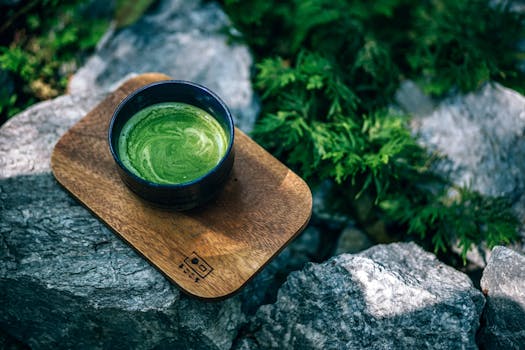
- Matcha: A finely ground powder of green tea leaves, often used in traditional Japanese tea ceremonies and lattes. It offers a more intense concentration of nutrients and antioxidants compared to other types.
- Longjing (Dragon Well): A Chinese green tea prized for its delicate, sweet, and slightly nutty taste.
- Genmaicha: A Japanese green tea blended with roasted brown rice, providing a nutty and savory flavor.
How to Incorporate Green Tea into Your Daily Routine
Adding green tea to your daily life is easy and enjoyable. Here are some tips:
- Start with a small amount: If you're new to green tea, begin with one or two cups a day and gradually increase as tolerated. Pay attention to your body's response to caffeine.
- Experiment with different types: Explore the various types of green tea to find your favorites. Each type offers a unique flavor and experience.
- Brew it properly: Follow the instructions on the packaging for optimal flavor and nutrient extraction. Generally, use hot, but not boiling, water and steep for 2-3 minutes.
- Enjoy it hot or cold: Green tea can be enjoyed hot or cold, depending on your preference. Brew a large batch and chill it for a refreshing iced green tea.
- Consider matcha: Matcha offers a concentrated dose of nutrients and antioxidants, perfect for those seeking a more potent boost. It can be enjoyed as a latte or whisked into smoothies.
Precautions and Potential Side Effects
While green tea is generally safe for most people, some precautions should be considered:
- Caffeine sensitivity: Green tea contains caffeine, so individuals sensitive to caffeine may experience side effects such as anxiety, insomnia, or increased heart rate. Limit your intake or choose decaffeinated versions.
- Interactions with medications: Green tea may interact with certain medications, such as blood thinners. Consult your doctor if you are taking any medications before significantly increasing your green tea consumption.
- Iron absorption: The tannins in green tea may interfere with iron absorption. Avoid drinking green tea with meals if you have iron deficiency.
- Liver damage (rare): In very rare cases, high doses of green tea extract have been linked to liver damage. Stick to moderate consumption to minimize risks.
Conclusion: Embrace the Goodness of Green Tea
Green tea, with its rich history and remarkable health benefits, offers a delicious and healthy addition to any lifestyle. From boosting immunity and protecting against chronic diseases to enhancing cognitive function and improving skin health, its advantages are numerous. By incorporating green tea into your daily routine, you can harness its power to promote overall well-being. Remember to consult your doctor before making significant dietary changes, especially if you have pre-existing health conditions or are taking medications. Enjoy the journey towards better health with this ancient and powerful elixir!


No comments:
Post a Comment