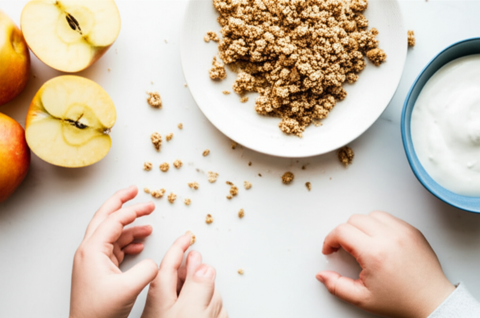
Smart Snacking for Kids (And Grown-Ups Too!)
Smart snacking isn't just about choosing healthy foods; it's about making nutritious choices that are also enjoyable and convenient. This guide will help you navigate the world of snacks, providing ideas for kids and adults alike that will satisfy cravings without derailing your health goals. We'll explore the benefits of smart snacking, tackle common challenges, and offer delicious recipes and tips to make healthy snacking a sustainable part of your lifestyle.
Why Smart Snacking Matters:
- Sustained Energy Levels: Smart snacks provide a steady release of energy, preventing those mid-afternoon slumps and mood swings that can plague both kids and adults.
- Improved Focus and Concentration: The right snacks fuel the brain, leading to better focus and concentration at school, work, or play.
- Better Nutritional Balance: Smart snacking helps fill nutritional gaps, ensuring you're getting the vitamins and minerals you need throughout the day.
- Weight Management: By choosing nutritious snacks, you can help maintain a healthy weight and reduce the risk of obesity.
- Reduced Cravings: Satisfying hunger with smart snacks can help prevent those late-night junk food binges.
Challenges and Solutions:
One common challenge is the constant barrage of sugary and processed snacks marketed towards children. It's easy to fall into the trap of convenience, opting for the quick and easy option rather than a more nutritious choice. However, with a little planning and preparation, you can make smart snacking the easy option.
Tips for Smart Snacking Success:
- Plan Ahead: Prepare snacks in advance. Pack fruit, vegetables, and healthy snacks in lunch boxes or keep them readily available at home.
- Involve Kids in the Process: Let kids help choose and prepare their snacks. This increases their engagement and makes them more likely to eat healthy options.
- Make it Fun: Cut fruits and vegetables into fun shapes or arrange them creatively on a plate.
- Focus on Whole Foods: Prioritize whole, unprocessed foods like fruits, vegetables, nuts, seeds, and whole grains.
- Read Food Labels: Pay attention to serving sizes, added sugars, and unhealthy fats.
- Listen to Your Body: Eat when you're hungry and stop when you're satisfied. Don't feel pressured to finish everything on your plate.
Snack Ideas for Kids and Adults:
Fruits and Vegetables: Apples, bananas, oranges, berries, grapes, carrots, celery, cucumber. Try dipping them in yogurt or hummus for added flavor and nutrients.
Healthy Fats: A small handful of nuts (almonds, walnuts, cashews), seeds (sunflower, pumpkin, chia), or avocado slices. These provide healthy fats and sustained energy.
Whole Grains: Whole-grain crackers, popcorn (air-popped, unsalted), brown rice cakes. Pair them with hummus, nut butter, or a thin spread of avocado.
Dairy and Alternatives: Yogurt (plain, unsweetened), cheese (low-fat or part-skim), cottage cheese. These provide protein and calcium.
Protein Sources: Hard-boiled eggs, edamame, a small portion of lean meat or poultry. Protein keeps you feeling fuller for longer.
Recipes:
(Include 2-3 simple recipes here, such as fruit salad, yogurt parfait, and veggie sticks with hummus.)
Conclusion:
Smart snacking is an investment in your overall health and well-being. By making conscious choices and planning ahead, you can create a healthier and happier lifestyle for both yourself and your children. Remember to focus on whole foods, involve your kids, and make snack time fun. With a little effort, smart snacking can become a rewarding habit that benefits you for years to come.


No comments:
Post a Comment