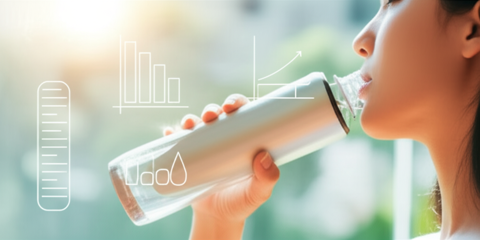
Hydration Myths: How Much Water Do You Really Need?
Staying hydrated is crucial for our health, but many myths surround how much water we should drink daily. Let's debunk some common misconceptions and explore the science behind proper hydration.
Myth 1: You need to drink eight glasses of water a day. This popular guideline is a simplification and doesn't account for individual needs. Factors like activity level, climate, and overall health significantly influence your water requirements. While eight glasses is a good starting point for many, it's not a universal rule.
Myth 2: Drinking too much water is impossible. While rare, it is possible to drink excessive amounts of water, leading to a dangerous condition called hyponatremia. This involves diluting the sodium levels in your blood, which can have serious consequences. Listen to your body's signals; excessive thirst is usually not a sign to drink even more water, but rather a cause for concern.
Myth 3: Dehydration only causes thirst. Early symptoms of dehydration often go unnoticed, ranging from mild fatigue and headaches to dizziness and decreased urine output. More severe dehydration can lead to muscle cramps, confusion, and even kidney problems. Paying attention to subtle cues is important for preventing serious health issues.
Myth 4: All fluids contribute equally to hydration. While all fluids contribute to hydration, some are better than others. Sugary drinks like soda and juice can actually dehydrate you due to their high sugar content. Water, unsweetened tea, and electrolyte-rich drinks like coconut water are superior choices for optimal hydration.
How Much Water Do You Really Need? The optimal water intake varies depending on several factors:
- Activity Level: Individuals who engage in strenuous exercise or work in hot environments require more water than those with sedentary lifestyles.
- Climate: Hot and humid climates lead to increased water loss through sweat, necessitating higher fluid intake.
- Overall Health: Certain medical conditions can affect your body's ability to retain water. Always consult your doctor if you have concerns about your hydration status.
- Diet: Water-rich foods like fruits and vegetables contribute to your overall fluid intake.
Signs of Dehydration:
- Dark-colored urine
- Extreme thirst
- Fatigue
- Headache
- Dizziness
- Muscle cramps
Tips for Optimal Hydration:
- Carry a reusable water bottle and sip throughout the day.
- Eat plenty of fruits and vegetables.
- Listen to your body's signals. Drink when you're thirsty.
- Limit sugary drinks.
- Monitor your urine color. It should be pale yellow.
- Consider an electrolyte drink after intense physical activity.
Conclusion: Proper hydration is essential for maintaining overall health. While there's no magic number for daily water intake, paying attention to your body's signals, considering individual factors, and making informed choices about the types of fluids you consume will help you stay properly hydrated and healthy.
Hashtags:#hydration #water #health #wellbeing #fitness #dehydration #myth #facts #simpleenglish #healthblog Labels: hydration,water,health,wellbeing,fitness,dehydration,myth,facts,simple english,healthblog Labels:hydration,water,health,wellbeing,fitness,dehydration,myth,facts,simple english,healthblog


No comments:
Post a Comment