Your Mental Health Toolkit: Everyday Strategies That Actually Help
Taking care of your mental health is just as important as taking care of your physical health. It's not about achieving perfection, but about building a toolkit of strategies you can use to navigate life's challenges and cultivate a sense of well-being. This toolkit isn't about quick fixes, but about sustainable practices you can integrate into your daily routine.
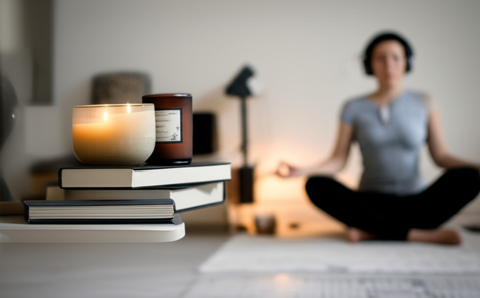
Mindfulness and Meditation: Start small. Even five minutes of daily mindfulness can make a difference. Focus on your breath, your senses, and the present moment. There are many guided meditation apps available to help you get started.
Physical Activity: Exercise isn't just for your body; it's a powerful tool for mental health. Find an activity you enjoy, whether it's a brisk walk, dancing, yoga, or something else entirely. The key is to move your body regularly.
Healthy Diet: Nourishing your body with healthy foods can significantly impact your mood and energy levels. Focus on whole, unprocessed foods, and limit your intake of sugar and processed foods.
Sufficient Sleep: Aim for 7-9 hours of quality sleep each night. Establish a regular sleep schedule, create a relaxing bedtime routine, and make sure your bedroom is dark, quiet, and cool.
Connecting with Others: Strong social connections are vital for mental well-being. Make time for friends and family, join a club or group, or volunteer in your community.
Setting Boundaries: Learn to say no to things that drain your energy or compromise your well-being. Setting healthy boundaries is crucial for protecting your mental health.
Journaling: Writing down your thoughts and feelings can be a powerful way to process emotions and gain self-awareness. There's no right or wrong way to journal – just let your thoughts flow.
Spending Time in Nature: Connecting with nature has been shown to reduce stress and improve mood. Take a walk in the park, sit by a lake, or simply enjoy the fresh air.
Creative Expression: Engaging in creative activities, such as painting, writing, music, or dancing, can be a great way to relieve stress and express yourself.
Seeking Professional Help: Don't hesitate to reach out to a mental health professional if you're struggling. There's no shame in seeking help, and it can make a world of difference.
Stress Management Techniques: Develop coping mechanisms for stress. This could include deep breathing exercises, progressive muscle relaxation, or spending time in nature.
Positive Self-Talk: Challenge negative thoughts and replace them with positive affirmations. Be kind and compassionate to yourself.
Acts of Kindness: Doing something kind for others can boost your own mood and sense of well-being. Volunteer your time, help a neighbor, or simply offer a kind word.
Digital Detox: Limit your screen time and take regular breaks from social media. Excessive screen time can be detrimental to mental health.
Building a strong mental health toolkit is an ongoing process. Experiment with different strategies and find what works best for you. Remember that it's okay to ask for help, and that taking care of your mental health is an act of self-love and self-care.


No comments:
Post a Comment